

Fed up with persistent jaw pain, headaches, or clicking when eating or speaking? Explore our targeted TMD and TMJ treatments that quickly relieve discomfort, restore proper jaw function, and help you feel like yourself again.
TMD affects approximately 1 in 10 people in the UK, with most diagnoses occurring between the ages of 20 and 40. At Battersea Dentist, we offer treatments to help manage symptoms such as jaw pain, headaches, jaw clicking, teeth clenching, grinding, and other TMJ disorders.
The temporomandibular joint (TMJ) allows your jaw to move side to side, open and close, and glide forward and backward, enabling proper mouth function.
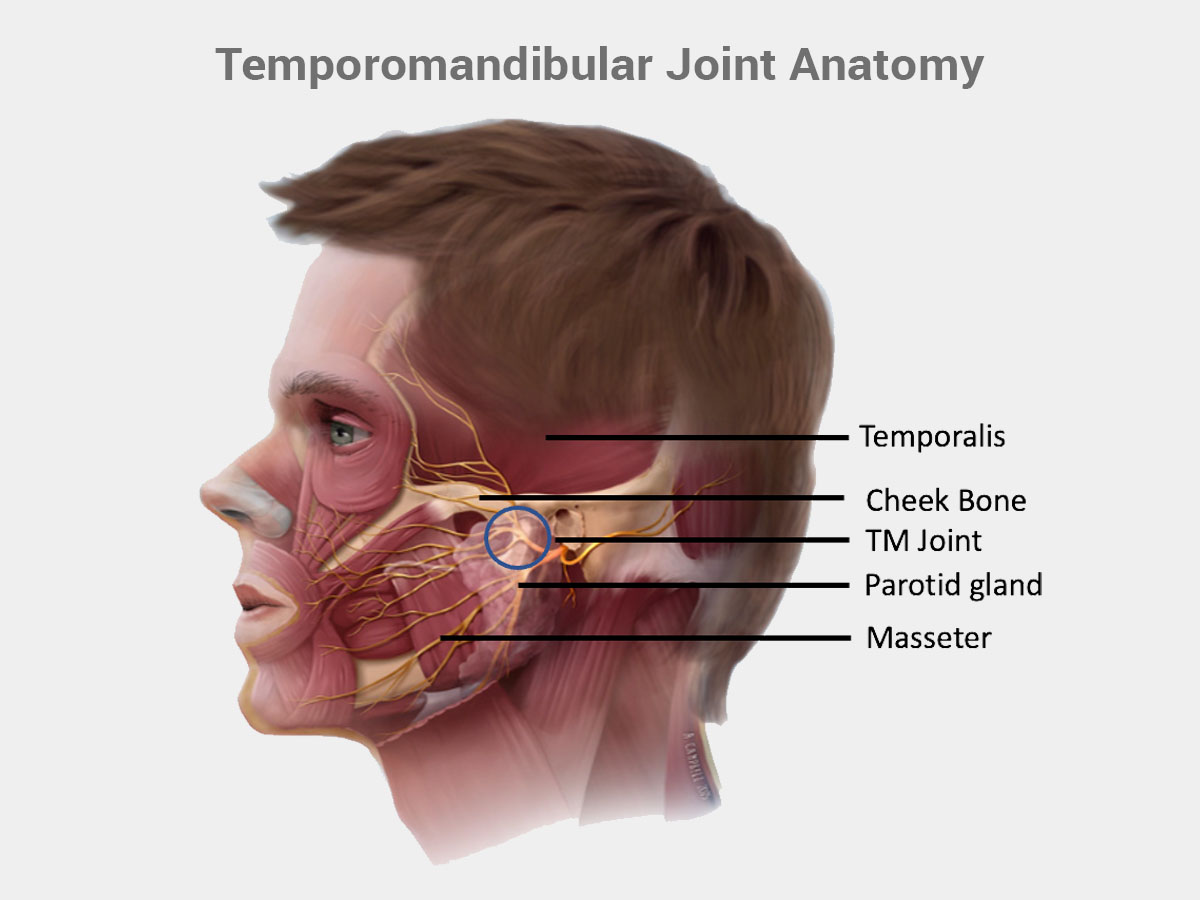
The TMJ, or temporomandibular joint, connects your jaw to your skull, allowing you to open, close, and move your jaw. TMD, or temporomandibular disorder, occurs when this joint or the surrounding muscles do not function properly, leading to a range of symptoms, including:
Jaw clicking or popping
Headaches, often around the temples
Teeth clenching or grinding, which may occur during sleep
Jaw discomfort or pain
Stiffness in the jaw, particularly after waking
Restricted jaw movement or limited mouth opening, sometimes painful when yawning or eating
Ear pain
Neck pain
Lockjaw
Popping, clicking, or grinding noises when moving the jaw
Tinnitus (ringing in one or both ears)
Stress and muscle tension
Uneven bite or misalignment of teeth
Teeth grinding or clenching (bruxism)
Wear and tear of the joint over time
Trauma to the head, jaw, or face
TMD can impact your daily life, but early diagnosis and treatment can help relieve symptoms and restore proper jaw function.
Your dentist can help relieve TMD symptoms in a number of ways, but there are also self-care strategies you can try at home:
Stick to a soft diet to reduce strain from chewing
Avoid habits like nail-biting or chewing gum
Gently massage your jaw muscles
Apply a warm (not boiling) compress or water bottle wrapped in a cloth to the jaw
Reduce stress with meditation, relaxing podcasts, or calming music
If symptoms persist for 3–6 months, it’s advisable to seek professional treatment. The best approach will depend on the cause and severity of your TMD.
Mouthguards/Biteguards: These can relieve jaw clenching or teeth grinding by preventing contact between the upper and lower teeth. A 3D digital scan ensures a perfect, custom fit for either the upper or lower jaw.
Bite Adjustment: Misaligned bites can contribute to TMD, and bite appliances or aligners can help correct alignment and reduce jaw pain.
Facial Aesthetics Treatment: Targeting the masseter muscle, which controls chewing, can relax the jaw by temporarily blocking nerve signals. This improves comfort and usually takes 15–20 minutes per session, with treatments recommended every 3–6 months.
This combination of self-care and professional options helps manage symptoms and restore jaw comfort and function.
Booking an appointment with us gives our dentists the opportunity to carry out a thorough assessment of your symptoms and review lifestyle or other factors that may be contributing to your TMD. You’ll have the chance to ask questions, gain a deeper understanding of why your jaw issues are occurring, and receive personalised treatment options tailored to your needs.
To make an appointment or have a general enquiry please use our contact form and we will aim to get back to as soon as possible.
0207 450 2920
info@battersea-dentist.co.uk
07770 463413
158 – 160 Battersea Park Road
London
SW11 4ND